Outer Banks septic guide
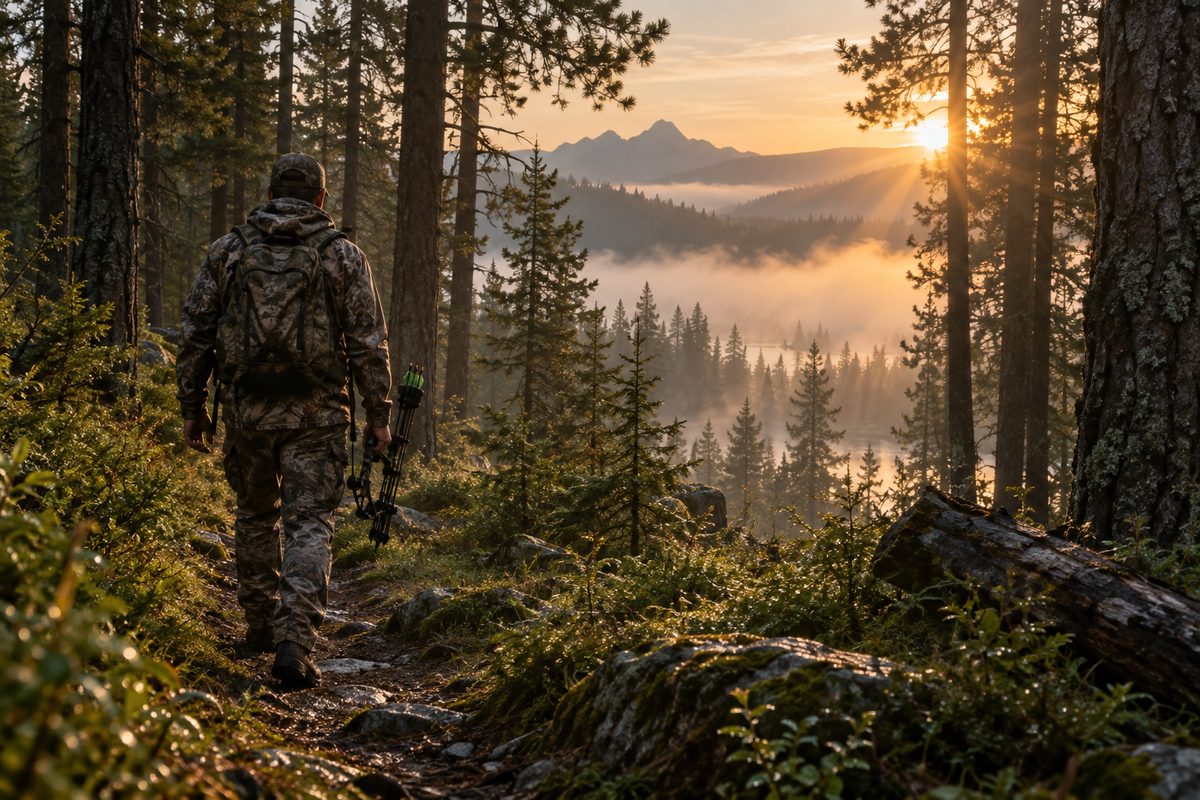
Tundra swan permit hunts in North Carolina
Tundra swan in North Carolina is permit-only: a November 8 to January 31 season, one bird per season, and 4,853 permits issued. What that scarcity means for planning a hunt.
This is the one hunt on this coast where the permit, not the bird, is the scarce thing. Everything else in a waterfowl season is a question of weather, wind and effort; tundra swan is a question of whether a piece of paper with your name on it exists at all. Get that, and you are hunting a bird most American waterfowlers will never have a legal opportunity to take.
The details
The structure is compact enough to state in one line. Tundra swan by permit only; 1 per season — the hunt is by permit only, the season runs November 8 to January 31, the bag limit is one bird per season rather than per day, and 4,853 permits were issued for the published season. Read those numbers together and the character of the hunt falls out of them: a long window, a finite pool of hunters, and exactly one chance each.
A per-season bag limit is rare enough to be worth pausing on. Almost every limit in migratory bird hunting is a daily one, refreshed each morning. This one is not. When the bird is down and the tag is used, your swan season is complete — in November, if that is when it happens, with ten weeks of the season still on the calendar. That single fact changes how hunters behave in the blind, and it should change how you plan the trip.
It also explains why the eastern North Carolina swan hunt has the reputation it does. A permit hunt with one tag attracts people who have waited for it, and the birds themselves are enormous, vocal, and utterly unlike a duck working a decoy spread. Hunters who have taken everything else on the flyway routinely describe this as the one they remember.
Plan the logistics around the permit rather than the other way around. Because the permit is the constraint, the sequence is: apply, find out, then book the days. A hunter who books a week first and applies second has bought a week that may turn into a duck trip — a good one, but not the trip that was imagined. The published season boundaries, November 8 to January 31, are the outer edges of when the permit can be used at all.
The ordinary paperwork does not relax because the hunt is special. Federal Duck Stamp required age 16+ still applies: a current signed Federal Duck Stamp for every hunter sixteen and over, on top of the state licence and privilege. Swan permits are additional to the stack, never a substitute for it.
And if the permit does not come through, the season underneath it is still there. Daily duck bag: 6 governs a duck morning on the same water in the same weeks, with the same guide and the same decoys. We would rather set that expectation at the point of booking than have a swan permit be the difference between a good trip and a disappointing one.
Apply first, plan second, and treat the single tag as the point rather than as a limitation. A permit-only bird with a one-per-season limit is a different kind of hunting day, and the hunters who get one rarely need persuading to come back for the ducks.
On the record: Tundra swan by permit only; 1 per season (NC Wildlife Resources Commission — 2025/26 Migratory Bird Seasons proclamation (ncwildlife.gov, retrieved 2026-09-17)) · Federal Duck Stamp required age 16+ (U.S. Fish & Wildlife Service — Buy a Duck Stamp or Electronic Duck Stamp (E-Stamp) (fws.gov, retrieved 2026-09-17)) · Daily duck bag: 6 (NC Wildlife Resources Commission — 2025/26 Migratory Bird Seasons proclamation (ncwildlife.gov, retrieved 2026-09-17))
Hand-verified 2026-09-17 against the primary sources named above; where a fact could not be verified it was left out, never guessed.